Uncategorized

Grey Literature at NAL

The National Agricultural Library (NAL) has digitized over a quarter of a million documents and have made them freely available through the Internet Archives (IA) (https://archive.org/details/usdanationalagriculturallibrary). These materials held by the USDA take on many different forms including reports, farmer and consumer guides, business catalogs, bulletins, circulars, leaflets, market inventories, yearbooks, radio scripts, architectural plans, recipes, maps, and images. While these documents are historically significant to agriculture, it is often difficult, however, for any but the most determined searcher to discover, access, understand, and appreciate their inner content. This short review aims to describe the values and challenges offered by this type of document, along with illustrative examples from NAL’s IA collection.

Grey Literature at NAL Read More »
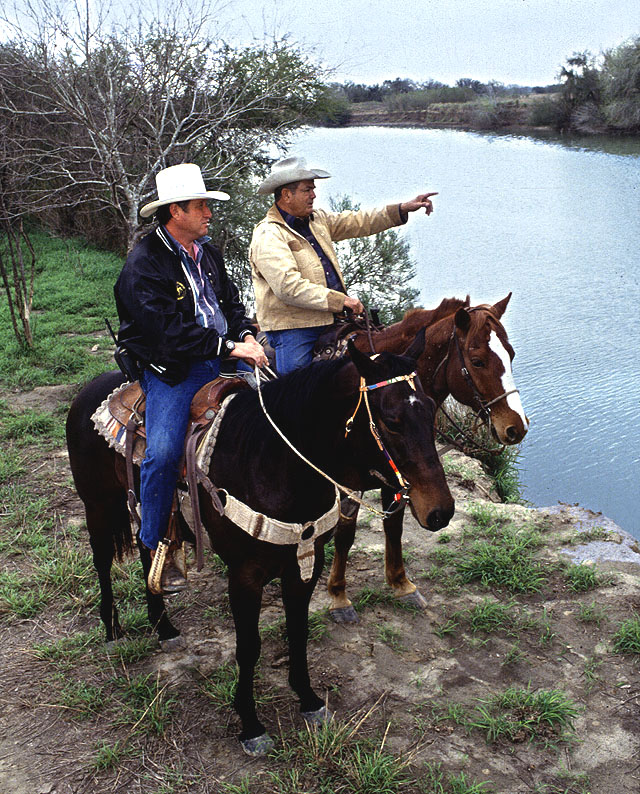
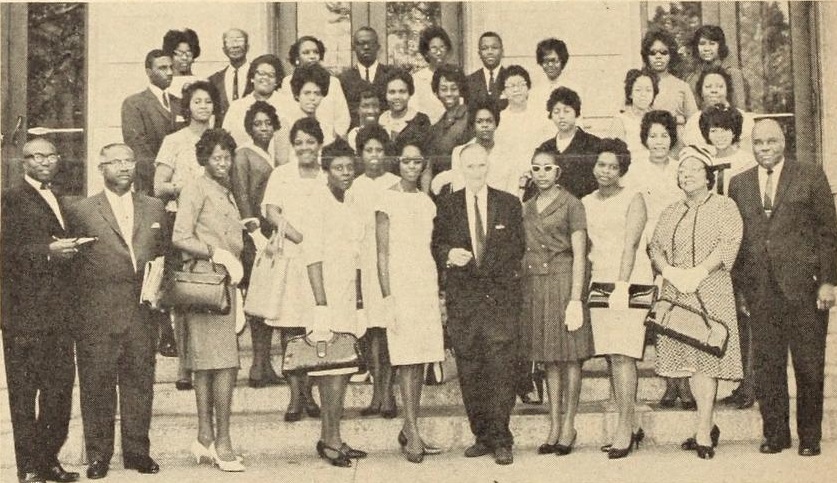
Cattle Fever Ticks, The Tick Eradication Program, and the USDA Tick Riders​

This short review of the Tick Riders and the USDA Cattle Fever Tick Eradication Program, will include a brief description of this vector of disease, the serious problem it posed for cattle ranchers at the start of the twentieth century, and the continuing efforts to ensure that this animal health concern is controlled.

Cattle Fever Ticks, The Tick Eradication Program, and the USDA Tick Riders​ Read More »

Gas Chromatograph

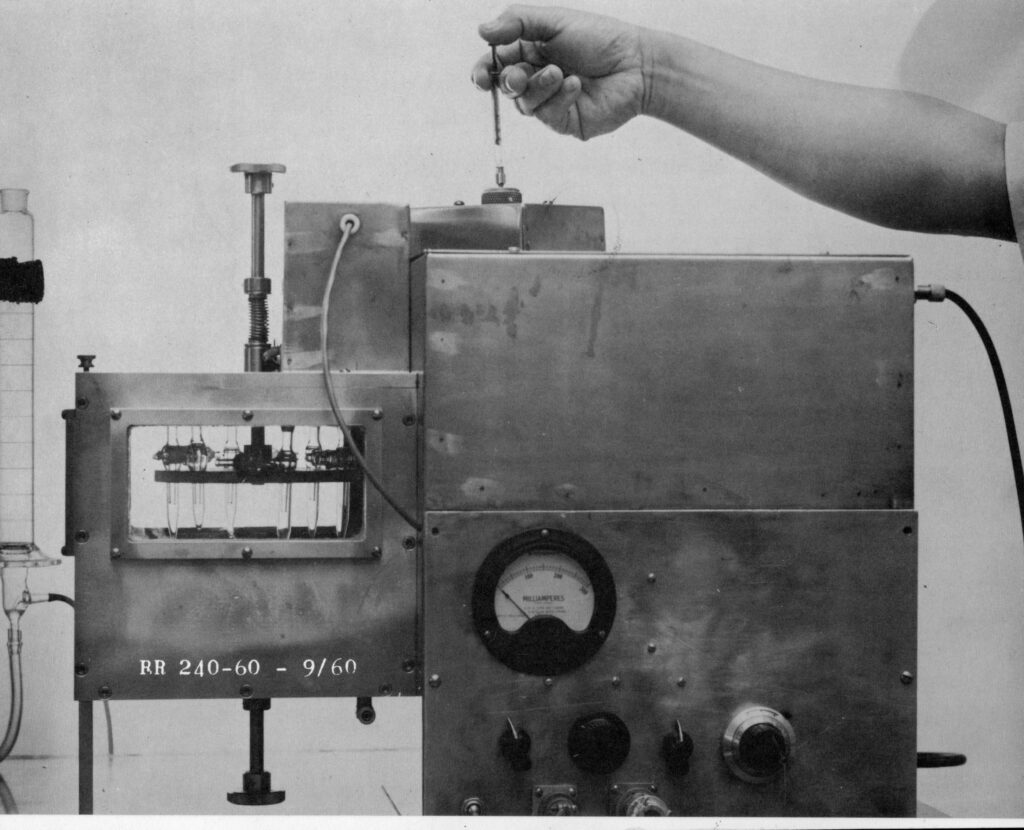
The Chemistry of Flavor

“Flavor—encompassing both aroma and taste—provides the defining characteristic of how we experience food. Flavor has long been an enigma to scientists: Aristotle described two categories of taste, sweet and bitter. Today we recognize five basic tastes in food: sweetness, saltiness, sourness, bitterness and umami (savory). But what are the scientific components of flavor, and how can flavor be studied, quantified and replicated?” American Chemical Society (2013)

The Chemistry of Flavor Read More »

The Beltsville Small White: A Heritage Turkey

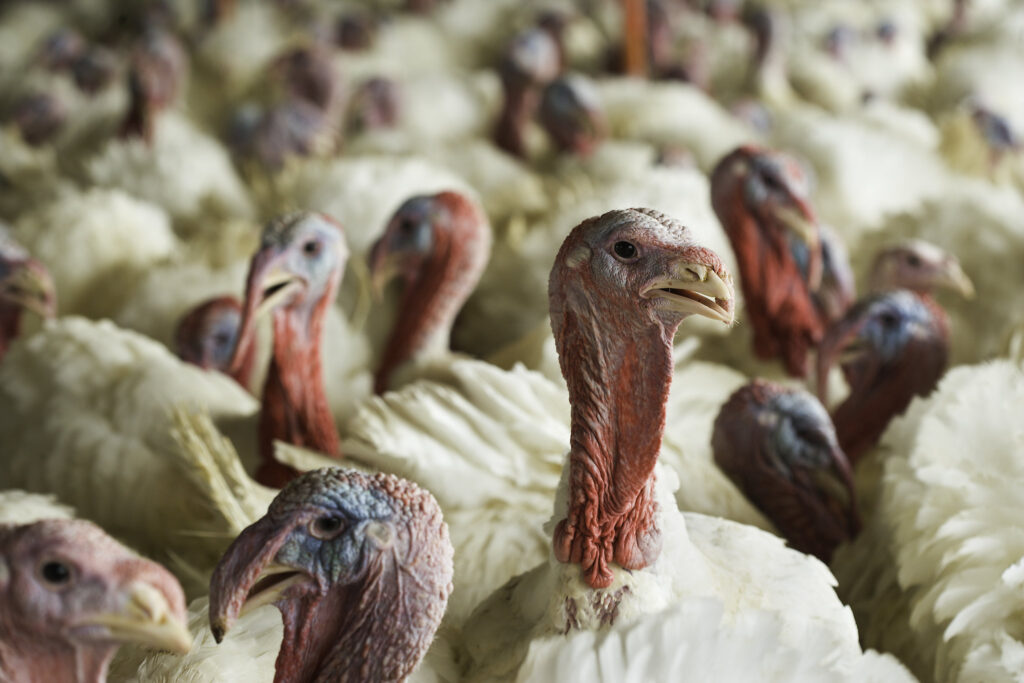
The “family-size, handy-weight” turkey developed by Stanley J. Marsden and the U.S. Department of Agriculture’s Bureau of Animal Industry had a brief period of popularity once it was released to the commercial market in the 1940s, but became an obscure oddity by the 1970s, and is now labeled as critically endangered by the Livestock Conservancy. This short review will describe the rise and fall of the Beltsville Small White through a sample of documents located both inside the National Agricultural Library, located in Beltsville, MD, and in other external repositories relevant to agriculture.

The Beltsville Small White: A Heritage Turkey Read More »

About Agricultural Humanities

About Agricultural Humanities 1 October 2020 Written by Emily Marsh Lorem ipsum dolor sit amet, consectetur adipiscing elit. Nam viverra consectetur ullamcorper. Sed et ipsum lobortis, ullamcorper eros in, elementum urna. Mauris id mollis enim, vel commodo ex. Nulla facilisi. Cras cursus lacus ultrices turpis facilisis, eu efficitur orci aliquam. Maecenas sit amet ornare lectus,

About Agricultural Humanities Read More »

The School Garden

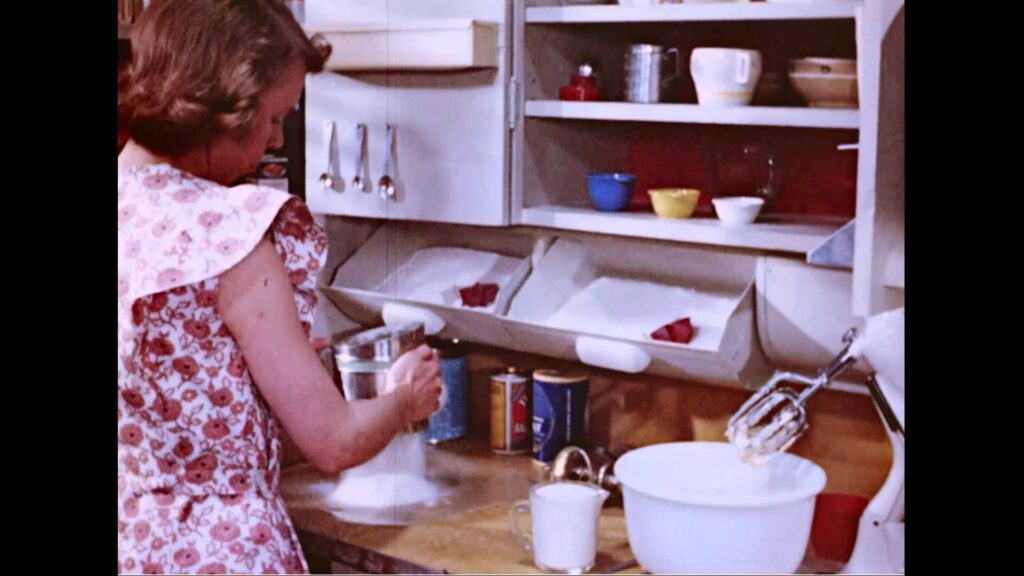
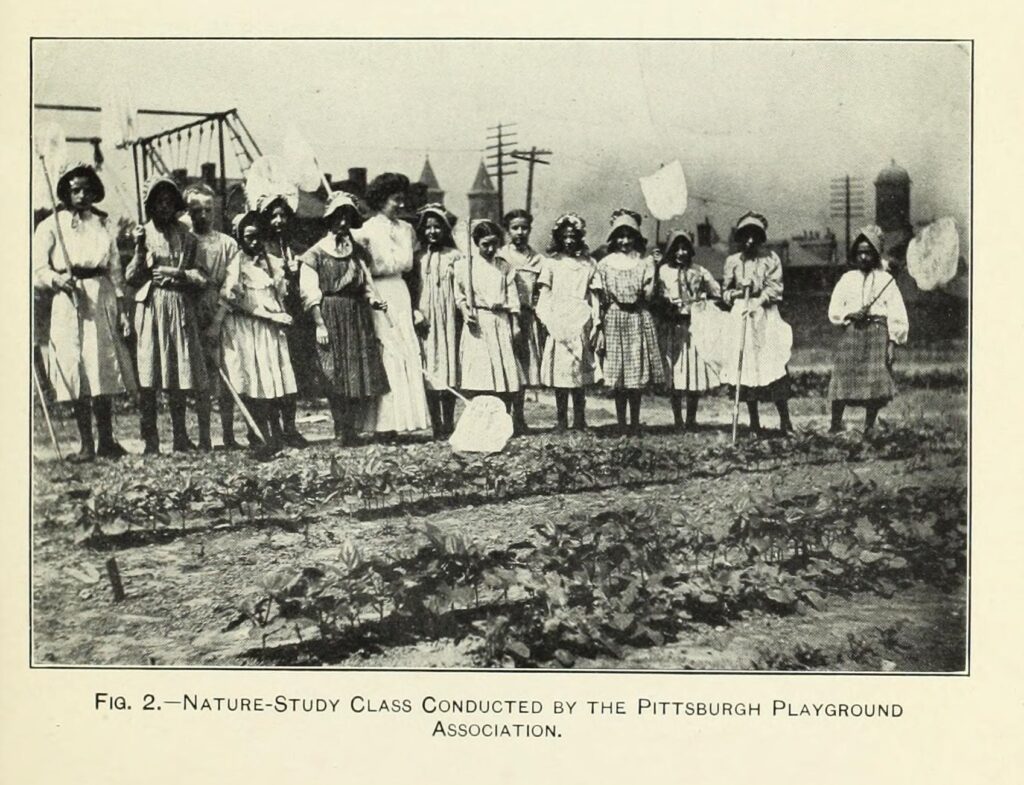
In 1906 the U.S. Department of Agriculture estimated that there were 75,000 school gardens in the United States (Jewell, 1907, pp. 37-38). The first American school garden was established in 1891 at the George Putnam School in Roxbury, Massachusetts. The peak of the school garden movement was reached in the years immediately following World War I when War Gardens turned into Victory Gardens and the urgency for surplus food production began to wane. The value and use of school gardens is enjoying new life however, with the popularity of the local food movement.

This review of the school garden movement in the early 1900s reveals the roots of school gardening as an educational tool designed to enrich many aspects of children’s lives.

The School Garden Read More »